
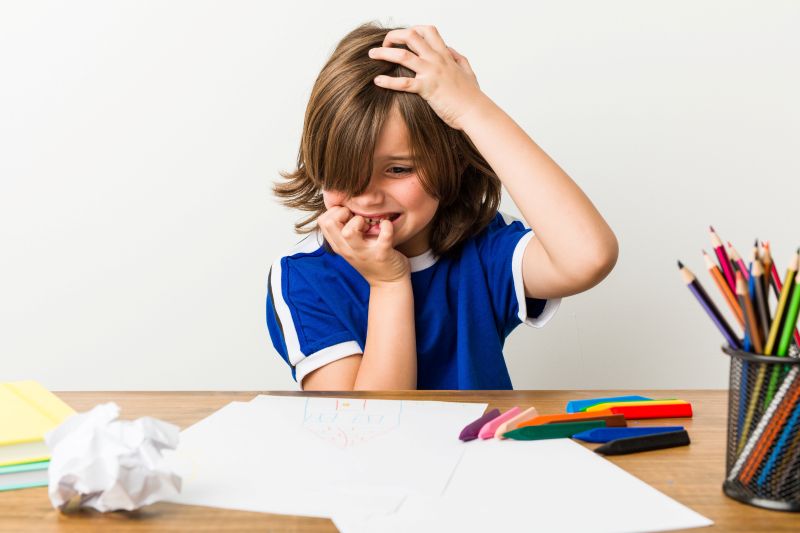
Did you know that around 11% of children ages 3 – 17 have a diagnosed anxiety disorder? Young children tend to be less susceptible than adolescents, but really, an anxiety disorder can afflict anyone of any age! How can you tell if your child is affected? The only way to receive a reliable diagnosis is with the help of a qualified mental health professional. However, there are some significant signs and symptoms that indicate the need for a psychiatric evaluation.
Common Signs and Symptoms of Anxiety Disorders
While anxiety disorders can manifest themselves in different ways, there are some signs and symptoms that commonly occur, including:
- Excessive crying
- A fear of being separated from loved ones
- Reversion to bedwetting
- Unusual and extreme fears
- Physical ailments, such as frequent headaches or stomachaches
- Changes in sleeping and eating patterns
- Nightmares
- A consistent reluctance to go to school or other environments that may induce anxiety
Normal Anxiety Vs. Anxiety Disorders
“Everyone experiences anxiety from time to time,” you might say, “so how can I tell the difference between normal anxiety and a disorder that requires treatment?” That is a very reasonable question!
Here are a few things to think about that can help you analyze whether your child just needs extra comfort or if they need professional care:
- Does the anxiety cause any sort of impairment? In most cases, adults and kids can cope with anxiety and continue to participate in important daily tasks. However, if the anxiety prevents your child from going to school or doing other normal activities, it may be a disorder.
- How extreme is the anxiety? The more extreme the anxiety is, the more likely it is that an anxiety disorder is present.
- How long has the anxiety lasted? Bouts of anxiety can happen to anyone, but if the negative feelings are persistent weeks or months on end, treatment may be helpful.
- Has your child experienced anything that could have triggered their anxiety problems? Some anxiety disorders are idiopathic (there is no known cause), but others are related to identifiable factors, such as a traumatic life event. If your child has been through (or is currently going through) a difficult situation, mental health services can help them cope.
When to Bring Your Child for Treatment
If you believe your child has an anxiety disorder, the best thing to do is bring them to a qualified professional for a mental health evaluation. Beforehand, talk to your child about what they can expect. The evaluation is not because “something is wrong with them.” Rather, help them view it as a safe opportunity to express their feelings and get on the path toward better emotional health.
Meet Embrace PWC
At Embrace Psychiatric Wellness Center, we serve families in the Westfield and Wall Township communities. We enjoy working with both children and teens, and we offer a range of therapies that can help with anxiety disorders and many other challenges. To learn more about us and how we may be able to support your family, contact us at 908-923-3483.