Transcranial Magnetic Stimulation (TMS) Therapy – Westfield, NJ

Effective Depression Treatment

tms therapy 1a
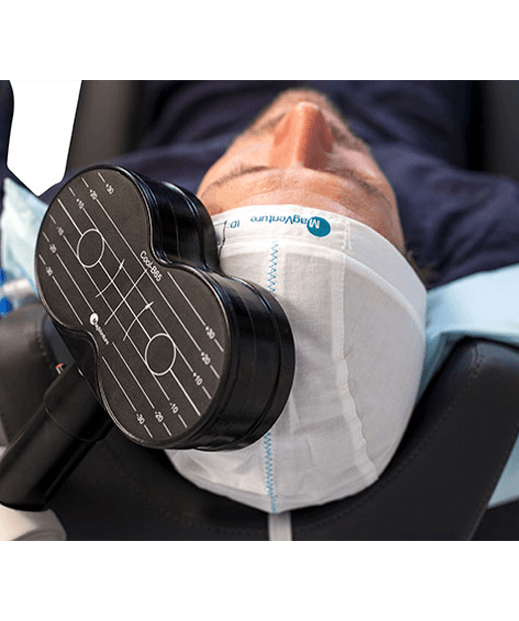
TMS is a depression treatment that is non-invasive and doesn’t involve the use of any drugs. In TMS therapy, the prefrontal cortex of your brain is stimulated with a magnetic field. This helps brain cells function and regulate your mood more effectively. It gently stimulates the areas of the brain that are under-active with depression.
tms therapy 3

Why TMS is the Future of Depression Therapy

3 Simple Steps

TMS therapy gently stimulates areas of the brain that cause depression. You may expect a licensed, personable and trained team member to make your mental health treatment experience comfortable and enjoyable.
tms therapy 4

1. Relax in our comfortable reclining TMS chairs.

We’ll ensure your absolute comfort and answer questions you may have about your TMS experience. Our goal is to make you as comfortable as possible on your road to success.

2. Less than 20 minutes & you’re off.

During the 20-minute treatment, you’ll be seated comfortably and fully awake. You can read a book, watch TV or chat with your supervising professional, whatever makes you happy.

There is no post-treatment sluggishness, so you can drive and resume your usual activities. Once you’ve completed your 20-min treatment session, you’re on your way.

3. Return & Repeat

Repeat this simple process 5 days per week and you’ll be on your way to a brighter future.

Less than 20 minutes per session, 36 times, and you can get back to feeling like yourself again.

tms ben 1

Benefits of TMS Therapy

TMS therapy stands at the forefront of innovative treatments for a wide array of neurological and psychiatric conditions. This non-invasive procedure uses magnetic fields to stimulate specific regions of the brain, offering promising outcomes for patients struggling with various disorders. While ongoing research continues to unravel its full potential, click on the button below for an overview of the benefits TMS therapy may offer across different conditions.

It Can Effectively Treat Depression

TMS therapy is a ray of hope for people with depression who haven't found relief from traditional treatments like medication and therapy. By targeting specific areas of the brain linked to depression symptoms, TMS therapy stimulates nerve cells to increase activity, providing relief for those who have struggled to find effective treatment.
tms ben 2
tms ben 3

It Can Alleviate OCD Symptoms

For patients with obsessive-compulsive disorder (OCD), TMS can help by reducing the hyperactivity between certain brain regions responsible for severe OCD symptoms. Similarly, TMS therapy can alleviate symptoms of anxiety disorders by calming overactive nerve cells in the brain.

It Can Assist in Stroke Recovery

TMS therapy isn't just for mental health – it also plays a role in stroke rehabilitation. By stimulating the motor cortex of the brain, TMS promotes motor recovery and helps alleviate muscle tightness (spasticity) commonly experienced after a stroke.
tms ben 4
tms ben 5

It Can Help Manage Neurological Disorders

TMS therapy shows promise in managing symptoms of neurodegenerative disorders like Alzheimer's and Parkinson's disease. It can help improve memory and learning functions in Alzheimer's patients and alleviate motor dysfunction and freezing of gait in those with Parkinson's.

It Can Provide Relief from Chronic Pain and Addiction

Chronic pain conditions like fibromyalgia may find relief with TMS therapy, as it can modulate neurotransmitters involved in pain perception. Additionally, TMS therapy has shown potential in reducing nicotine cravings, aiding in addiction recovery.
tms ben 6

Transcranial Magnetic Stimulation (TMS) Therapy

Transcranial Magnetic Stimulation therapy is typically used as an alternative form of treatment or to supplement psychotherapy or pharmacotherapy. Whenever a patient is having difficulties responding appropriately to pharmacotherapy, or they are unable to take medications, TMS might be the next best solution. That said, this form of therapy is not meant for all patients. That’s why our team will thoroughly evaluate your medical health so that we can determine if this treatment is best for you.
With TMS therapy, our team will be able to help promote alterations in the activity of neurons within the parts of your brain believed to be in association with your mood and/or pain regulation, including the prefrontal cortex. Magnetic pulses will course throughout the head, encouraging brief activity of the nerve cells in the magnetic field underneath the treatment coil. The pulse delivery from TMS frequency will then affect the increase or decrease of brain activity after the treatment is over. 
TMS and ECT therapy are incredibly different treatments. Electroconvulsive therapy (ECT), otherwise known as “shock therapy,” is designed to purposefully induce a seizure. Before beginning the process, patients will need to be administered with general anesthesia to minimize pain as well as paralyzed with muscle relaxants to keep you still. After this treatment, patients might expect a slow recovery phase, and they’ll need to be monitored for several minutes to a few hours following their appointment.
Since TMS uses magnetic pulses, you’ll be asked to remove any metallic and magnetic-sensitive items, such as jewelry and even credit cards. The equipment also makes a loud clicking noise with every pulse (similar to an MRI), so you might consider wearing earplugs to remain comfortable and protect your hearing.