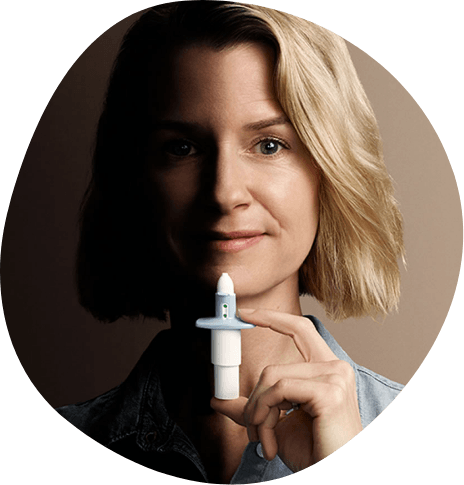
It Can Treat Depression
SPRAVATO, a nasal spray containing esketamine, emerged as a breakthrough in 2019 for treating depression in adults who haven't responded to other treatments. It's notable for being the sole FDA-approved drug for adults experiencing major depressive disorder (MDD) with acute suicidal thoughts. Unlike traditional antidepressants, which focus on neurotransmitters like dopamine and serotonin, esketamine targets the brain's glutamate system. This unique approach offers hope to individuals who have struggled with depression and related conditions without success.
It Can Address Various Mental Health Conditions
While esketamine is specifically approved for depression, there's growing evidence suggesting its effectiveness in treating other mental health conditions like OCD, anxiety disorders, and eating disorders. Many patients who undergo SPRAVATO treatment for depression report improvements in these additional areas of mental health. This hints at the possibility of esketamine offering relief beyond depression alone.
It Stimulates Neuroplasticity
One of the unique aspects of esketamine is its ability to stimulate neuroplasticity, the brain's capacity to rewire and adapt. By activating this process, esketamine helps individuals break free from negative thinking patterns associated with depression. This mechanism offers a promising method of overcoming depression and potentially other mental health challenges by fostering new neural pathways and adaptive behaviors.
It Facilitates an Expanded State of Consciousness
Esketamine induces a dissociative state, which can lead to an expanded state of consciousness. During treatment, patients may feel detached from their usual sense of self and experience alterations in perception, such as distortions in time and space. While this may sound unsettling, it often provides people with unique insights and perspectives, offering an opportunity for introspection and self-discovery.
It Unlocks Suppressed Memories for Healing
The dissociative effects of esketamine can facilitate the retrieval and processing of suppressed memories, including past traumas. This aspect of treatment allows patients to confront and work through unresolved emotional issues in a safe and supportive environment. Under the guidance of healthcare professionals, patients can navigate these memories and experiences, leading to healing and emotional resolution.